




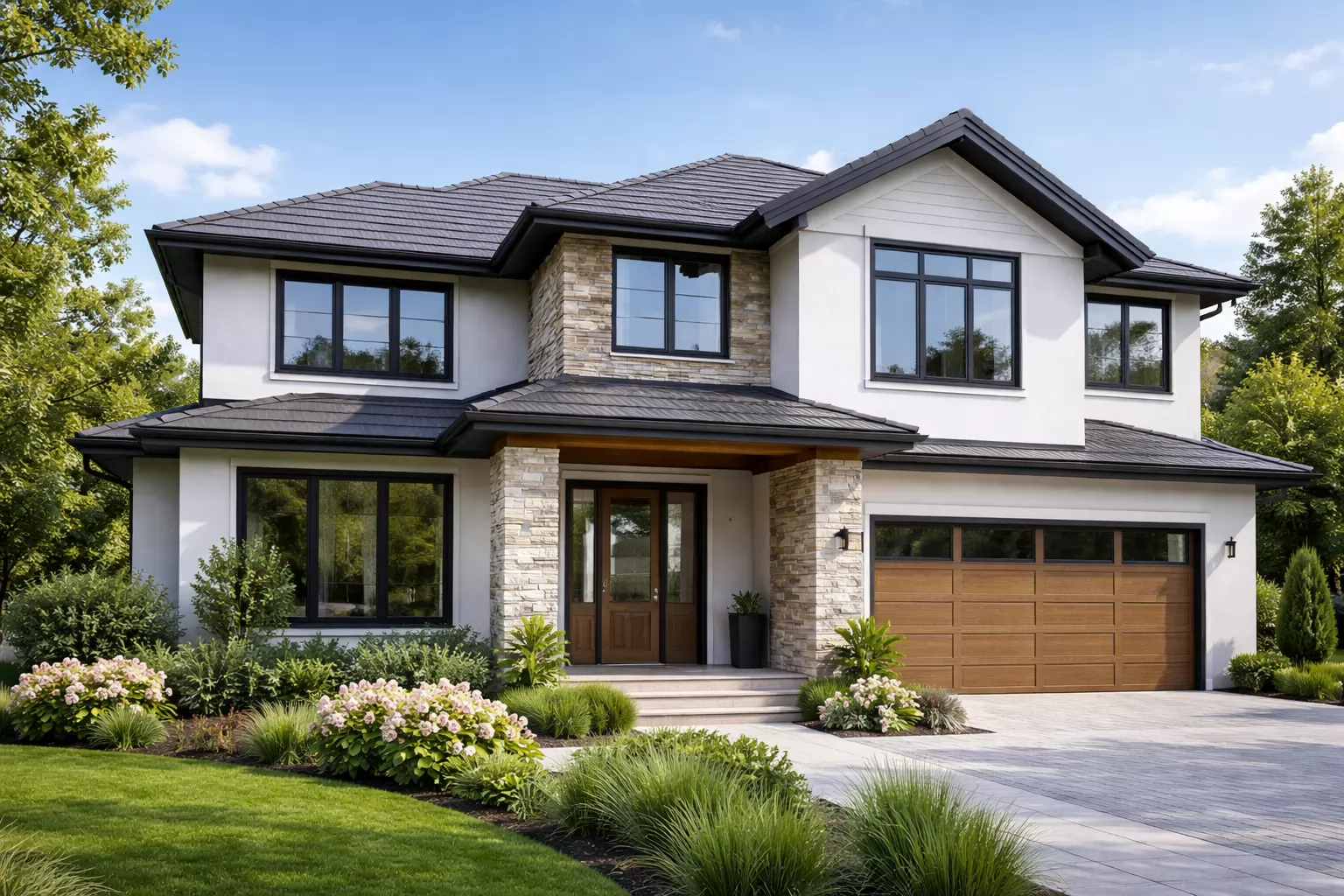
Choosing an exterior paint color is not only about visual appeal. The ed color and paint system directly affect resistance to sunlight, dirt visibility, maintenance frequency, and potential issues such as cracking or blistering over time. For this reason, exterior color ion should be based on technical accuracy as much as aesthetic preference. Below, you will find a detailed guide covering the key factors to consider for a durable and balanced exterior finish.
1) Consider Environmental and Climate Conditions
Exterior surfaces are constantly exposed to sun, rain, wind, frost, and humidity throughout the year. These environmental factors significantly influence both paint performance and long-term color appearance. Therefore, the climate of your region should be the starting point when ing the right color and product.
- In areas with strong sun exposure, light colors help reduce surface temperature and extend the lifespan of the paint. Dark colors absorb more heat, which may increase surface expansion and long-term wear.
- In humid and rainy climates, water-repellent and breathable exterior paints should be preferred. These properties allow moisture inside the wall to escape, reducing the risk of blistering and peeling.
- On facades facing busy streets, dirt-resistant and easy-to-clean paint systems help keep the exterior clean for longer periods and reduce maintenance needs.
2) Choose Colors Suitable for the Architectural Style
Every building has its own architectural character. When the exterior color supports this character, the building appears more balanced and visually appealing. Color ion should take into account floor proportions, facade movements, window openings, and the surrounding environment.
- Modern buildings often benefit from neutral tones such as gray, white, and anthracite, which emphasize clean lines and create a timeless appearance.
- Classic architecture is complemented by cream, beige, and light earth tones that provide softer transitions and visual harmony.
- Rustic and natural designs are enhanced by warm earth tones and muted colors that highlight natural materials.
3) Do Not Ignore Color Psychology
Exterior colors influence how a building is perceived from the outside. Colors create emotional and psychological impressions and communicate a certain character at first glance.
- White conveys cleanliness, brightness, and a timeless look.
- Gray creates a modern, strong, and urban impression.
- Earth tones provide a warm, natural, and welcoming atmosphere.
- Blue and green shades evoke calmness and tranquility and work well in nature-oriented environments.
4) Enhance the Facade with Contrast in Details
In exterior design, accent colors used on details such as window frames, doors, balcony railings, and facade trims are as important as the main color. Proper contrast adds depth and character to the building.
- Dark window frames on light-colored facades create a strong and modern contrast.
- Using more vivid tones as accents on a neutral base color adds visual interest.
- Applying different shades of the same color ensures balance and a refined appearance.
5) Prioritize Paint Quality and Durability
Beyond choosing the right color, ing the appropriate paint technology is crucial. High-quality exterior paints provide long-term color stability and better protection against external factors.
- UV-resistant pigments help delay fading caused by sunlight.
- Water-repellent properties reduce the risk of blistering and peeling.
- Flexible paint structures improve resistance to cracks caused by temperature changes.
- Dirt-resistant surface technologies are especially beneficial for urban facades.
6) Test the Color on a Large Surface
Colors may look different on catalogs or small samples than on large exterior surfaces. Surface texture, lighting, and surrounding colors can significantly affect perception. Therefore, testing before final application is essential.
- Apply the ed color on an area of at least 1 m².
- Observe the color at different times of the day.
- Evaluate harmony with neighboring buildings and surroundings.
7) Ensure Harmony with the Surroundings Without Losing Character
The building’s color should not clash with its surroundings, yet it should not blend in to the point of losing identity. The best results come from colors that are harmonious but still distinctive.
- Avoid extremely bright or aggressive tones for long-term satisfaction.
- Use different intensities of similar colors to achieve both harmony and originality.
- On large facades, balanced tones are often more forgiving than very dark colors.
Conclusion
Choosing an exterior paint color requires considering climate conditions, architectural style, color psychology, contrast details, paint quality, and proper application together. The right combination of color and paint not only enhances the building’s aesthetic value but also ensures long-lasting protection against environmental factors.